Berber Nomads Morocco
Discover Berber nomads in Morocco, their traditional lifestyle, desert culture, hospitality and seasonal movements around Merzouga and the Sahara.
Berber Nomads Morocco: Life and Traditions Near Merzouga
The Berber nomads of Morocco represent an important part of the country’s desert history and cultural heritage. For generations, nomadic Amazigh families have traveled through Morocco’s Sahara and pre-Saharan regions in search of water, grazing land and suitable conditions for their animals.
Around Merzouga and the Erg Chebbi dunes, some families continue to follow a fully or partially nomadic lifestyle. Others have settled in nearby villages while maintaining traditions connected to livestock, desert travel, weaving, music and hospitality.
For travelers, discovering the culture of Berber nomads in Morocco offers a deeper perspective on the Sahara. The desert is not simply a landscape of sand dunes and camel rides. It is also a living region shaped by families who developed detailed knowledge of water, animals, weather and seasonal movement.
This guide explores the daily life, traditions and modern challenges of Moroccan Berber nomads, particularly those living around Merzouga.
Who Are the Berber Nomads of Morocco?
The term “Berber nomads” is commonly used in travel searches and international tourism. However, many people prefer the term Amazigh, with Imazighen as the plural.
Amazigh communities have lived across North Africa for centuries. In Morocco, Amazigh culture is especially visible in the Atlas Mountains, the Anti-Atlas, the Souss region and the desert areas of the southeast.
The Berber nomads of Morocco traditionally move between different locations rather than living permanently in one village. Their movements may depend on access to water, grazing conditions, rainfall, weather and the needs of their animals.
Not every family follows the same lifestyle. Some families remain fully nomadic, while others are semi-nomadic. A semi-nomadic family may have a permanent house but spend part of the year traveling with goats, sheep or camels.
Modern education, employment, roads and climate conditions have also encouraged many families to settle permanently.
Where Do Berber Nomads Live in Morocco?
Berber nomadic and semi-nomadic communities can be found across southern and southeastern Morocco.
Important areas include:
- Merzouga and Erg Chebbi
- Erfoud and Rissani
- Zagora and the Draa Valley
- M’Hamid El Ghizlane
- The Anti-Atlas Mountains
- The eastern desert
- Remote plateaus near Morocco’s southeastern border
Merzouga is one of the best-known destinations associated with Berber nomads in Morocco. The village lies close to Erg Chebbi, a spectacular collection of golden dunes in southeastern Morocco.
Beyond the dunes, the region includes rocky desert, dry plains, wells, seasonal grazing areas, palm groves and small communities.
Berber Nomads Near Merzouga
The area around Merzouga has long been connected to pastoral life, regional trade and movement across desert landscapes.
Some nomadic families travel through the wider region with livestock. Others live in simple settlements or tents located away from the main tourist villages.
Life near Merzouga depends heavily on the environment. Rainfall can create temporary grazing areas, while periods of drought may force families to travel farther or purchase animal feed.
Many former nomads now work in tourism as:
- Desert guides
- Camel handlers
- Drivers
- Camp workers
- Musicians
- Craftspeople
- Local hosts
These activities provide new sources of income while allowing some families to remain connected to desert traditions.
The Traditional Lifestyle of Berber Nomads in Morocco
The traditional lifestyle of Berber nomads in Morocco is based on movement, adaptation and practical knowledge of the desert.
Families do not travel randomly. Their routes are usually influenced by:
- Water sources
- Wells
- Rainfall
- Grazing land
- Seasonal temperatures
- Livestock needs
- Family relationships
- Local markets
- Agreements with other communities
Knowledge of the landscape is passed from one generation to another. Nomadic families learn how to locate water, recognize useful plants, understand weather patterns and identify safe travel routes.
This knowledge is essential because conditions in the Sahara can change quickly.
Traditional Berber Nomad Tents
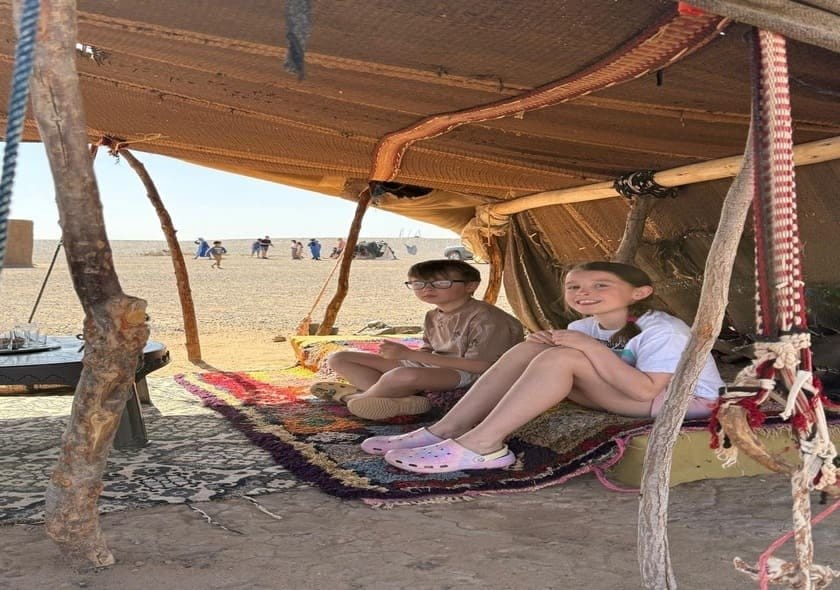
Traditional nomadic tents are designed to provide shelter while remaining possible to transport.
They may be made from:
- Goat hair
- Sheep wool
- Woven fabric
- Wooden poles
- Ropes
- Modern protective materials
Dark woven material can help provide shade during the day and protection from cold, wind and sand at night.
A tent may contain separate areas for sleeping, cooking, receiving guests and storing food or equipment.
When the family moves, the tent can be dismantled, transported and rebuilt in a new location.
Today, many Moroccan Berber nomads combine traditional materials with plastic sheets, manufactured fabrics, metal tools and modern storage containers.
Nomadic culture continues to evolve rather than remaining unchanged in the past.
Daily Life of Moroccan Berber Nomads
Daily life is strongly influenced by the climate, livestock and availability of water.
Activities often begin early in the morning before temperatures become too high.
Typical responsibilities may include:
- Collecting water
- Preparing bread
- Making tea
- Taking animals to graze
- Milking goats or camels
- Repairing tents
- Weaving
- Caring for children
- Visiting markets
- Preparing meals
- Maintaining family connections
The division of responsibilities differs between families and may change when some family members work in towns or tourism.
Life in the desert requires cooperation. Every task, from finding water to protecting livestock, contributes to the survival and stability of the household.
Water and Survival in the Moroccan Sahara
Water is one of the most important resources for Berber nomads in Morocco.
Traditionally, families depend on wells, springs and knowledge of seasonal water sources. Travel routes are frequently organized around places where water is available.
Water is needed for:
- Drinking
- Cooking
- Washing
- Livestock
- Preparing tea
- Making bread
Modern vehicles and plastic containers make it easier for some families to transport water. However, long distances, drought and declining rainfall can still create serious difficulties.
Travelers visiting desert communities should avoid wasting water. Even when a camp appears comfortable, the surrounding region may still face limited water resources.
Camel Herding and Livestock
Livestock is central to the traditional economy of Moroccan Berber nomads.
Goats and sheep provide milk, meat, wool and financial value. They are also relatively well adapted to dry environments.
Camels are strongly associated with nomadic life in the Sahara. Historically, they were used to transport people and goods across long desert routes.
Camels may provide:
- Transportation
- Milk
- Hair
- Hides
- Trade value
- Tourism income
Today, camel rides are an important part of tourism around Merzouga. Visitors often travel by camel to desert camps located near or inside the Erg Chebbi dunes.
Travelers should choose responsible tour operators that provide animals with enough food, water, rest and veterinary care.
Traditional Food of Berber Nomads
The food traditionally prepared by Berber nomads is adapted to movement and limited resources.
Common ingredients may include:
- Flour
- Bread
- Couscous
- Dates
- Tea
- Milk
- Lentils
- Beans
- Rice
- Dried food
- Meat on special occasions
Bread is especially important. Depending on local conditions, it may be cooked over hot stones, in a simple oven or beneath heated sand and embers.
Meals are often shared from one plate. Food may be simple, but sharing it with a guest is an important expression of hospitality.
A visitor may be offered tea, bread, dates or milk even when the family has limited supplies.
Berber Hospitality and Moroccan Tea
Hospitality is one of the most recognizable aspects of Berber and Moroccan culture.
When a guest arrives, tea is often prepared before any detailed conversation begins.
Moroccan tea is commonly made with:
- Green tea
- Sugar
- Fresh mint
- Desert herbs when mint is unavailable
- Boiling water
Preparing tea may take time. The drink can be poured several times to mix the ingredients and balance the flavor.
For Berber nomads in Morocco, tea is not simply a beverage. It creates an opportunity to welcome visitors, exchange news and strengthen social relationships.
Travelers should avoid rushing the experience. Accepting tea and spending time with the host are part of the cultural exchange.
Berber Music and Oral Traditions
Music, poetry and storytelling are important parts of Amazigh cultural heritage.
Songs may communicate stories about:
- Family history
- Desert journeys
- Love
- Migration
- Work
- Spirituality
- Nature
- Community celebrations
Oral traditions have historically helped transmit knowledge between generations.
Around Merzouga, travelers may also encounter the musical heritage of Khamlia and other communities of southeastern Morocco.
Traditional music performed for tourists can provide income, but visitors should remember that it is connected to identity and history, not only entertainment.
Berber Clothing in the Sahara
Traditional desert clothing is practical as well as cultural.
Loose garments help protect the body from:
- Strong sunlight
- High temperatures
- Wind
- Sand
- Cold desert nights
Headscarves can protect the face, neck and head during difficult weather.
Travelers may be shown how to wear a desert scarf during a Merzouga excursion. The scarf can be useful, but traditional clothing should not be treated merely as a costume.
Always ask before photographing people, especially women, children and elderly family members.
Are Berber Nomads Still Living in Morocco?
Yes, some Berber nomads still live in Morocco, particularly in remote areas of the south and southeast.
However, traditional nomadic life has changed considerably.
Many families have become semi-nomadic or permanently settled because of:
- School access
- Healthcare
- Employment
- Drought
- Road development
- Tourism
- Mobile communication
- Economic pressure
- Reduced grazing land
Some families now live in villages but continue to keep animals, use traditional tents during part of the year or maintain cultural connections to nomadic life.
Nomadic identity should therefore not be defined only by constant movement.
Climate Challenges Facing Berber Nomads
Climate conditions are among the greatest challenges facing Berber nomads in Morocco.
Irregular rainfall and longer droughts can reduce grazing land and make it difficult to maintain livestock.
When vegetation becomes limited, families may need to:
- Move farther
- Buy animal feed
- Sell part of their herd
- Search for other work
- Settle closer to towns
These changes affect both income and traditional ways of life.
The Sahara is beautiful, but living there requires continuous adaptation. Travelers should avoid presenting nomadic life as entirely peaceful or romantic.
Visiting Berber Nomads Near Merzouga
Some Merzouga desert tours include visits to Berber nomadic or semi-nomadic families.
A respectful visit may allow travelers to learn about:
- Traditional tents
- Camel and goat herding
- Tea preparation
- Bread making
- Weaving
- Desert navigation
- Family life
- Seasonal migration
However, the experience must be organized responsibly.
The family should agree to receive visitors and benefit directly from the visit. Travelers should never treat a private home as an attraction without permission.
A guide should explain the context honestly and help visitors communicate respectfully.
How to Visit Berber Nomads Respectfully
Ask Before Taking Photographs
Always ask clearly before photographing people.
Permission to photograph a landscape or tent does not automatically mean permission to photograph the family.
Respect Private Areas
Do not enter tents, sleeping areas or storage spaces unless invited.
Follow the instructions of the host or guide.
Avoid Treating Poverty as an Attraction
Do not photograph difficult living conditions only because they appear unusual.
Focus on learning about culture, knowledge and everyday life.
Dress Appropriately
Comfortable and relatively modest clothing is suitable for remote communities.
Loose clothing also provides protection from the desert climate.
Support Families Directly
Choose tours where the family receives fair payment.
Purchasing genuine local products can also support the household.
Avoid distributing money or sweets directly to children.
Listen Carefully
Allow people to describe their own lives.
Do not assume that every nomadic family wants to remain nomadic or reject modern life.
Berber Nomads and Merzouga Desert Tours
A Merzouga tour can combine desert landscapes with cultural experiences.
Possible activities include:
- Camel trekking
- Watching sunset over Erg Chebbi
- Staying in a desert camp
- Visiting a nomadic family
- Discovering local music
- Visiting Rissani
- Exploring desert villages
- Learning about traditional food
However, a tourist camp should not automatically be described as an authentic nomadic home.
Most camps provide accommodation specifically designed for visitors. They may include beds, bathrooms, electricity, restaurants and organized music.
A desert camp can still provide a meaningful experience, but it is different from everyday nomadic life.
You can explore available Morocco tours, including the 3-day Marrakech to Merzouga desert tour.
Choosing a Responsible Desert Tour
Before booking a cultural visit, ask the tour operator:
- Does the nomadic family agree to the visit?
- Does the family receive direct payment?
- Are local guides employed?
- Is photography discussed beforehand?
- Are camels treated responsibly?
- How long does the visit last?
- Is the experience private or shared?
- What is included in the price?
- How is waste managed?
- Is the itinerary realistic?
Avoid operators that use expressions such as “untouched tribe” or suggest that the family lives completely outside the modern world.
These descriptions are often misleading and disrespectful.
Best Time to Visit Berber Nomads Near Merzouga
Spring and autumn generally provide the most comfortable temperatures.
Popular travel periods include:
March to May
September to November
Winter days can be pleasant, but nights may become very cold.
Summer temperatures can be extremely high, particularly in July and August.
Travelers should bring:
- Sun protection
- A hat
- Comfortable shoes
- Warm evening clothing
- A reusable water bottle
- A desert scarf
- Personal medication
How to Reach Merzouga
Merzouga is located in southeastern Morocco.
Most travelers arrive from:
- Marrakech
- Fes
- Ouarzazate
- Tinghir
- Erfoud
- Rissani
The journey from Marrakech or Fes is long. A comfortable itinerary normally includes several stops or overnight stays.
Destinations frequently combined with Merzouga include:
- Ait Ben Haddou
- Ouarzazate
- Dades Valley
- Todra Gorge
- Ziz Valley
- Rissani
- Fes
Travelers can explore private Morocco tours or use the contact page to request a personalized desert itinerary.
Frequently Asked Questions
Who are the Berber nomads of Morocco?
Berber nomads are Amazigh families who traditionally move between locations according to water, grazing conditions, seasons and livestock needs.
Where do Berber nomads live in Morocco?
They can be found in southern and southeastern regions, including Merzouga, Zagora, M’Hamid, the Anti-Atlas and remote desert areas.
Are there Berber nomads near Merzouga?
Yes. Some nomadic and semi-nomadic families continue to live or travel in the wider Merzouga region.
Can tourists visit Berber nomads in Morocco?
Some responsible desert tours organize visits with the agreement of local families. The family should benefit directly, and visitors must respect privacy.
Do Berber nomads live in tents?
Some families use traditional tents, while others live in permanent or semi-permanent buildings. Many combine both forms of accommodation.
What animals do Moroccan Berber nomads keep?
Common animals include goats, sheep and camels.
Is Berber the same as Amazigh?
“Berber” is widely used internationally, especially in tourism and online searches. However, many people prefer the term “Amazigh.”
What language do Berber nomads speak?
Languages vary. Families may speak Amazigh languages, Moroccan Arabic or regional dialects. People working in tourism may also speak English, French or Spanish.
Are Merzouga desert camps traditional nomadic homes?
Most camps are tourism accommodations. They may reflect elements of desert culture, but they are not identical to the everyday homes of nomadic families.
What is the best way to meet Berber nomads respectfully?
Choose a responsible local operator, ask before taking photographs, respect private areas and ensure that the family benefits from the visit.
Final Thoughts
The Berber nomads of Morocco represent an important part of the country’s Amazigh heritage and desert history.
Their knowledge of water, livestock, weather and desert routes has allowed families to adapt to one of Morocco’s most demanding environments.
Around Merzouga, visitors have opportunities to learn about Berber nomadic culture. However, these encounters should be based on respect rather than curiosity alone.
Berber nomads are not characters from the past. They are modern families whose lifestyles continue to change in response to education, climate, employment and tourism.
By selecting responsible experiences, respecting privacy and supporting local communities, travelers can better understand the people and traditions of the Moroccan Sahara.
Related topics